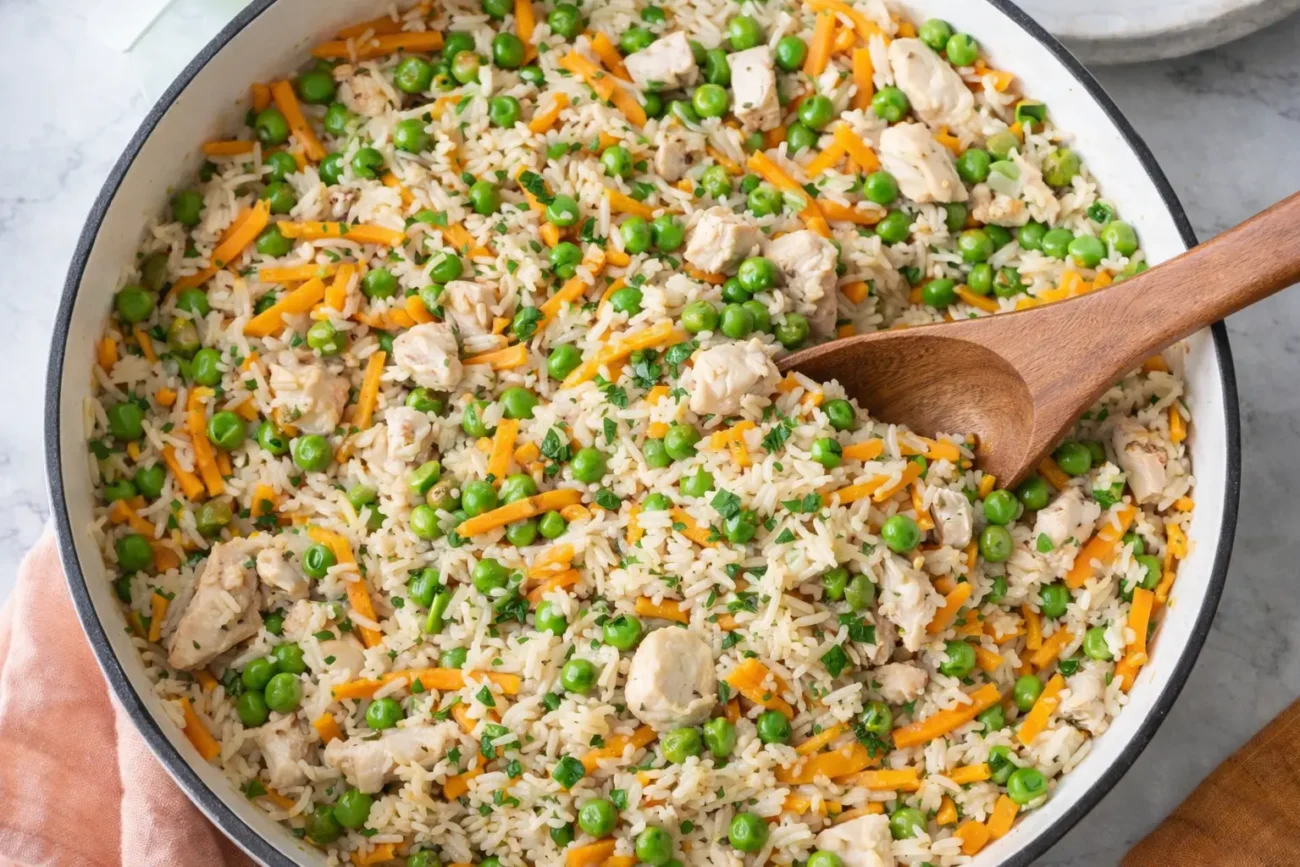
A low calorie chicken and rice dinner recipe is one of the simplest ways to prepare a healthy and satisfying meal without sacrificing flavor. By combining lean chicken, light seasoning, and properly cooked rice, this dish creates a balanced dinner that provides protein, energy, and nutrition while keeping calories under control.
Many people choose low calorie chicken and rice dinners because they support healthy eating goals while remaining practical for everyday cooking. The ingredients are affordable, widely available, and easy to prepare in a single pan. This makes the recipe especially useful for weeknight dinners, meal prep plans, or anyone looking for lighter comfort food options, especially when compared to options like a lean rice dinner that focuses on calorie-conscious meals.
This guide explains how to prepare a low calorie chicken and rice dinner recipe using simple techniques that maximize flavor while minimizing excess fat or calories. You will also learn how to select healthy ingredients, build flavor through smart cooking methods, and adjust the recipe with vegetables and herbs to keep meals interesting throughout the week just like many ultimate chicken recipes designed for practical home cooking.
Why Low Calorie Chicken and Rice Is a Healthy Choice
Chicken and rice has long been considered a reliable combination for balanced meals. Lean chicken provides high-quality protein that helps maintain energy levels and supports muscle health, while rice supplies steady carbohydrates that provide lasting fuel throughout the day.
Another reason this recipe works well for healthy dinners is portion control. When prepared with simple ingredients and moderate seasoning, the dish remains filling without becoming overly heavy. This balance makes it suitable for people following calorie-conscious meal plans.
Low calorie chicken and rice recipes also adapt easily to different diets. Adding vegetables such as broccoli, spinach, or carrots increases fiber and nutrients without significantly increasing calories. Some lighter variations even resemble a high protein meals approach where nutrition and balance work together.
How Flavor Works in Low Calorie Chicken and Rice
Healthy recipes should never feel bland, and a good chicken and rice dinner proves that light meals can still be full of flavor. The key is layering ingredients carefully so each component contributes to the overall taste.
The process begins by seasoning and lightly browning the chicken. This step enhances natural flavor without adding unnecessary fats.
Next, aromatics such as onion and garlic are cooked briefly in the same pan. These ingredients release fragrance and natural sweetness, improving the taste of the entire dish.
Finally, the rice cooks slowly in seasoned broth. As it absorbs the liquid, the grains capture the flavor of the chicken and herbs, creating a satisfying meal with minimal calories, similar to a garlic rice skillet that builds depth without heaviness.
Ingredients for a Low Calorie Chicken and Rice Dinner
- 2 boneless skinless chicken breasts
- 1 cup long-grain white rice or brown rice
- 2 cups low-sodium chicken broth
- 1 tablespoon olive oil
- 1 small onion, diced
- 2 garlic cloves, minced
- ½ teaspoon salt
- ½ teaspoon black pepper
- ½ teaspoon paprika
- ½ teaspoon dried oregano or thyme
- 1 cup mixed vegetables (broccoli, carrots, or zucchini)
- Fresh parsley for garnish
These ingredients create a light and balanced chicken and rice dinner that delivers flavor while keeping calories controlled.
How to Make a Low Calorie Chicken and Rice Dinner
This cooking method focuses on maximizing flavor while keeping the ingredients light and nutritious, and beginners can follow a simple dinner guide to improve consistency in results.
Step 1: Season chicken and prepare ingredients:
Pat the chicken breasts dry using paper towels so seasoning sticks properly. Sprinkle salt, black pepper, and paprika evenly on both sides. Dice the onion and mince the garlic so they are ready before cooking begins. Preparing ingredients first helps keep the cooking process organized and efficient.
Step 2: Brown chicken to build flavor:
Heat olive oil in a large skillet over medium heat. Place the seasoned chicken breasts into the pan and cook until lightly golden on both sides. This step adds natural flavor to the chicken without requiring additional fat, which helps keep the recipe lower in calories.
Step 3: Cook aromatics and vegetables:
Remove the chicken temporarily and add diced onion and minced garlic to the skillet. Cook gently until fragrant and slightly softened. Stir in the vegetables and cook briefly so they begin to soften while still maintaining texture and color for the finished dish.
Step 4: Add rice and seasoned broth:
Stir the rice into the skillet so the grains coat lightly with the aromatics. Pour in the chicken broth and mix gently so the rice spreads evenly across the pan. Return the chicken to the skillet, placing it on top of the rice mixture.
Step 5: Simmer until rice cooks completely:
Reduce the heat to low and cover the skillet with a lid. Allow the mixture to simmer slowly until the rice becomes tender and most of the broth is absorbed. During this stage the rice absorbs flavor from the chicken and the broth.
Step 6: Rest briefly and garnish:
Turn off the heat and keep the skillet covered for several minutes. This allows the rice to finish steaming while the chicken remains juicy. Sprinkle fresh parsley over the dish before serving.
Easy Ways to Keep Chicken and Rice Low in Calories
One of the easiest ways to maintain a low calorie chicken and rice recipe is to choose lean cuts of chicken. Skinless chicken breast contains less fat than many other cuts while still providing plenty of protein.
Using low-sodium broth instead of heavy sauces also helps reduce calories while maintaining flavor. Herbs such as thyme, oregano, and parsley provide aroma and taste without adding extra fat.
Vegetables can also play an important role in healthy recipes. Adding vegetables increases volume and nutrition while keeping calorie counts relatively low.
Serving Ideas for a Healthy Chicken and Rice Dinner
Although chicken and rice already provide a balanced meal, adding simple sides can make the dinner feel more complete. Fresh salads pair especially well with lighter chicken dishes because they add crisp texture and refreshing flavor.
Roasted vegetables such as asparagus, green beans, or bell peppers also complement chicken and rice nicely. Their natural sweetness and slight caramelization add depth without increasing calories significantly.
A squeeze of fresh lemon juice over the finished dish can also brighten the flavor while keeping the recipe light.
Why Does Low Calorie Chicken and Rice Sometimes Taste Bland?
A common challenge when cooking lighter meals is maintaining flavor. Chicken and rice can taste bland if the dish is not seasoned properly during cooking.
Browning the chicken first is one of the most effective ways to improve flavor. This step creates caramelized surfaces that enhance the entire dish.
Using broth instead of water is also important because it provides savory depth that rice absorbs while cooking.
Even small ingredients like garlic, onion, and herbs can make a significant difference in the final taste.
How Can You Keep Chicken Moist While Cooking?
Chicken sometimes becomes dry when cooked too quickly or at very high temperatures. The best way to prevent this problem is to cook the chicken gently after browning.
Allowing the dish to simmer slowly while the rice cooks helps keep the chicken tender. Covering the pan traps steam, which also helps maintain moisture.
Resting the dish for a few minutes after cooking allows the juices inside the chicken to redistribute, improving texture. Many cooks also apply techniques used for juicy chicken breast recipes to maintain tenderness during cooking.
Can Low Calorie Chicken and Rice Be Stored for Later?
This recipe works very well for leftovers or meal preparation. After cooking, allow the chicken and rice to cool slightly before transferring it into an airtight container.
The meal can be refrigerated for several days. When reheating, adding a splash of broth helps restore moisture, and for portion awareness some readers also use a calorie portion tool to better manage intake.
Reheating gently ensures the chicken remains tender while the rice warms evenly. Leftovers can also become a quick lunch similar to a quick dinner recipe.
Final Thoughts on Low Calorie Chicken and Rice Dinners
A low calorie chicken and rice dinner recipe proves that healthy meals can still feel comforting and satisfying. With lean chicken, flavorful rice, and nutritious vegetables, this dish delivers balanced nutrition while remaining simple enough for everyday cooking.
Because the recipe is flexible and easy to prepare, it can easily adapt to different ingredients and preferences. Some cooks also explore variations like a parmesan rice skillet when they want a slightly richer but still balanced meal.
