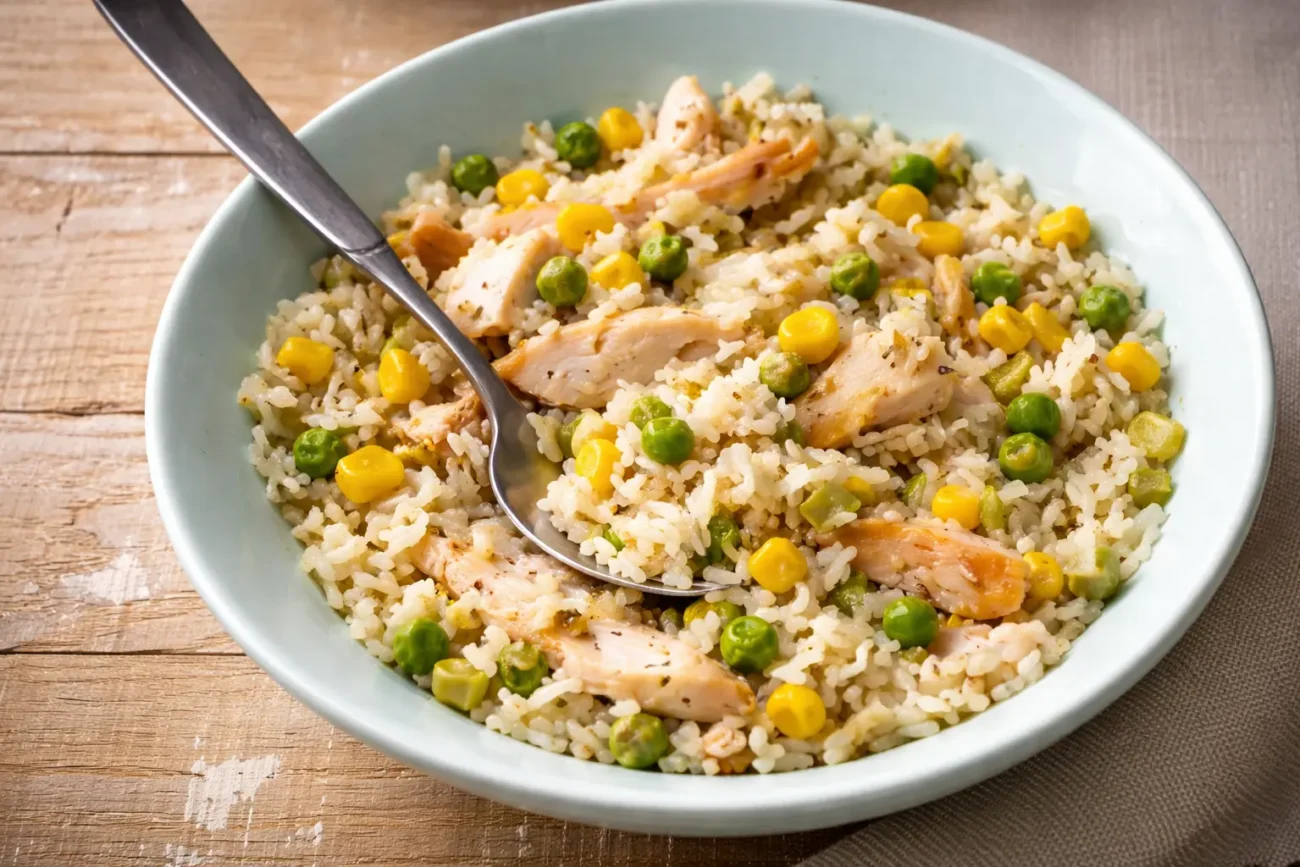
A clean eating chicken rice bowl recipe is one of the most practical ways to prepare a balanced, homemade meal without relying on processed ingredients or complicated techniques. This simple dish combines tender chicken, wholesome rice, and fresh vegetables to create a bowl that feels nourishing, filling, and naturally flavorful, and exploring best chicken recipes can help expand your options even further.
Chicken and rice have long been a dependable combination because they complement each other both in taste and nutrition. When prepared properly, the chicken stays juicy while the rice absorbs subtle flavors from seasoning and cooking liquids. The result is a meal that feels light yet satisfying, making it ideal for lunch, dinner, or meal prep.
Many home cooks search for a healthy chicken rice bowl recipe because it offers flexibility and consistency. This version focuses on clean ingredients, proper cooking techniques, and balanced flavors. As you continue reading, you’ll learn how to build a flavorful bowl, choose the right ingredients, and make adjustments that suit your daily routine.
Why Clean Eating Chicken Rice Bowls Are So Popular
Clean eating meals have gained popularity because they focus on simple, whole ingredients that are easy to prepare and enjoyable to eat. A chicken rice bowl fits perfectly into this approach because it naturally combines protein, grains, and vegetables in one dish.
Another reason this recipe is widely loved is convenience. Everything can be prepared quickly and assembled into a complete meal without complicated steps. Whether you are cooking for yourself or your family, a clean chicken rice bowl saves time while still delivering great results, similar to an easy dinner method.
The versatility of this dish also makes it appealing. You can adjust ingredients based on what you have at home, making it a reliable option for both planned meals and last-minute cooking.
Understanding Flavor in a Clean Chicken Rice Bowl
Even though this recipe is simple, flavor comes from layering ingredients thoughtfully. The process begins with properly seasoning the chicken so that each bite carries depth and balance without being overwhelming.
Cooking the chicken correctly is essential. Light browning adds a subtle richness that enhances the overall taste of the bowl. At the same time, fresh vegetables provide contrast and brightness, preventing the dish from feeling heavy.
Rice plays a central role in the flavor profile. When cooked well, it acts as a base that absorbs seasoning while maintaining a soft and fluffy texture. Together, these elements create a clean, balanced meal that feels complete and satisfying, much like a healthy protein bowl.
Ingredients for Clean Eating Chicken Rice Bowl
- 2 boneless, skinless chicken breasts
- 2 cups cooked white or brown rice
- 1 tablespoon olive oil
- 1 teaspoon salt
- ½ teaspoon black pepper
- 1 teaspoon paprika
- 1 teaspoon dried herbs (oregano or thyme)
- 2 cloves minced garlic
- 1 cup broccoli florets
- 1 cup sliced carrots
- ½ cup cucumber slices
- ½ cup cherry tomatoes
- 1 tablespoon lemon juice
How to Make Clean Eating Chicken Rice Bowl
This clean eating chicken rice bowl is prepared by seasoning and cooking chicken until tender, pairing it with freshly cooked rice, and combining it with crisp vegetables. The method focuses on simple cooking techniques and proper timing so each component maintains its texture while blending into a balanced, nourishing meal suitable for everyday cooking.
Step 1: Season the chicken properly
Start by patting the chicken breasts dry using paper towels so the seasoning sticks well. Sprinkle salt, black pepper, paprika, dried herbs, and minced garlic evenly over both sides. Let the chicken rest for a few minutes so the seasoning begins to absorb into the meat before cooking starts.
Step 2: Cook the chicken until tender
Heat olive oil in a pan over medium heat, then place the seasoned chicken into the pan. Cook without moving it for several minutes until a light golden surface forms, then flip and cook the other side. Continue cooking until the chicken is fully done and juices run clear.
Step 3: Prepare and fluff the rice
While the chicken cooks, prepare rice if not already done by rinsing it under cold water and cooking according to instructions. Once cooked, fluff the rice gently with a fork to separate the grains. This step helps create a soft, airy texture that pairs well with the chicken.
Step 4: Cook vegetables for freshness
Steam or sauté broccoli and carrots until they become tender but still slightly crisp. This ensures the vegetables retain their natural flavor and texture. Avoid overcooking them, as they should provide a fresh contrast to the warm rice and chicken when everything is combined in the bowl.
Step 5: Rest and slice the chicken
Once the chicken is cooked, remove it from the pan and let it rest on a cutting board for a few minutes. This allows the juices to settle inside the meat. After resting, slice the chicken into even pieces so it can be distributed evenly across the rice bowl.
Step 6: Assemble the rice bowl
Place a portion of rice into a bowl as the base, then arrange sliced chicken, cooked vegetables, cucumber, and tomatoes on top. Finish with a light drizzle of lemon juice. This final step brings all components together into a balanced, clean eating chicken rice bowl.
Easy Variations for Clean Chicken Rice Bowls
One of the best things about a clean eating chicken rice bowl recipe is how easy it is to customize. You can adjust the seasoning to match your taste, using spices like cumin, chili powder, or mild curry blends for different flavor profiles.
Vegetables can also be swapped based on availability. Ingredients like zucchini, bell peppers, spinach, or even roasted sweet potatoes can add variety while keeping the dish nutritious and satisfying.
For those who prefer a slightly richer taste, a light yogurt-based sauce or simple dressing can be added without compromising the clean eating approach, similar to a creamy skillet version.
Serving Ideas for Chicken Rice Bowls
A chicken rice bowl is already a complete meal, but you can enhance it with a few simple additions. A fresh side salad adds extra crunch and balances the warmth of the dish.
You can also serve it with roasted vegetables for deeper flavor or include a slice of warm bread for a more filling meal. These additions help create a more complete dining experience without complicating the recipe.
Keeping the presentation simple and colorful also makes the dish more appealing, especially when serving for family meals or guests.
Why Does a Chicken Rice Bowl Sometimes Taste Bland?
A common issue with chicken rice bowls is lack of flavor, which usually comes from under-seasoning or skipping key cooking steps. Properly seasoning the chicken before cooking makes a noticeable difference in the final result.
Cooking techniques also matter. Light browning adds depth, while using seasoned ingredients ensures the rice absorbs enough flavor. Small adjustments like adding herbs or lemon juice can significantly improve the overall taste, similar to a quick dinner method.
How Can You Keep Chicken Tender in a Rice Bowl?
Chicken can become dry if it is overcooked or cooked at high heat for too long. The best way to keep it tender is to cook it over medium heat and monitor the cooking time carefully.
Letting the chicken rest after cooking helps retain moisture. This simple step ensures the juices remain inside the meat, making each bite soft and flavorful rather than dry.
Can You Make This Recipe Ahead of Time?
This clean eating chicken rice bowl recipe is perfect for meal preparation. You can cook the chicken and rice in advance and store them separately for easy assembly later.
Keeping ingredients separate helps maintain texture and freshness. When reheating, adding a small amount of water or broth can restore moisture and improve the overall quality of the meal.
Final Thoughts on Clean Eating Chicken Rice Bowl Recipe
A clean eating chicken rice bowl recipe shows how simple ingredients can come together to create a balanced and satisfying meal. With proper seasoning, careful cooking, and fresh components, this dish delivers both nutrition and flavor in every bite.
Because it is easy to prepare and flexible to customize, it works well for everyday cooking. Once you understand the basic method, this recipe can easily become a reliable part of your regular meal routine.
