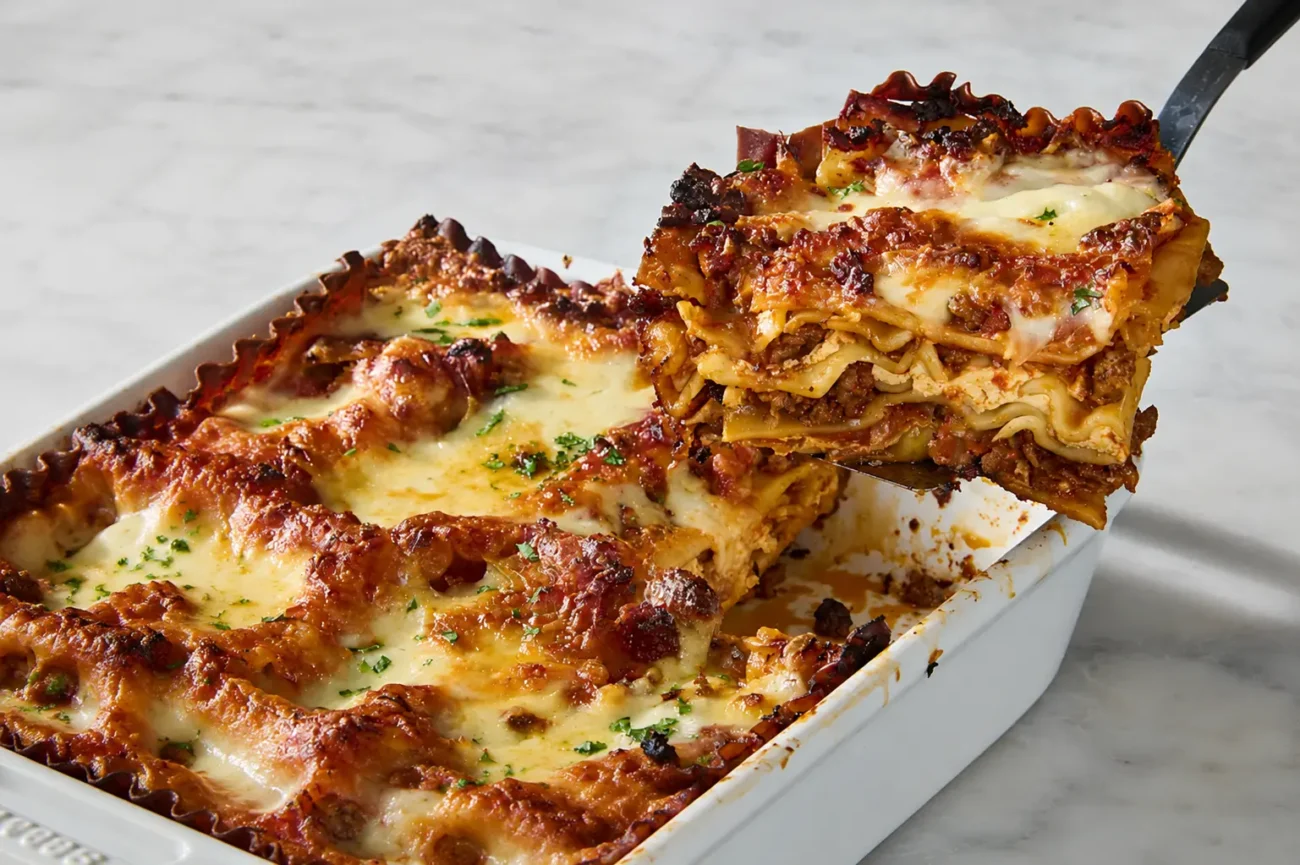
The digital culinary space has recently been dominated by the “lazy lasagna” movement, a trend that promises the complex, comforted layers of a traditional Italian bake without the multi-hour labour. Social media platforms are filled with clips of home cooks bypassing the most tedious steps of the classic recipe, boiling long noodles and mixing delicate ricotta fillings.
Instead, the strategy relies on a clever pantry swap: using store-bought frozen ravioli as a pre-packaged, all-in-one replacement for both the pasta and the cheese layers. The shortcut has quickly become one of the most discussed comfort-food hacks online because of its simplicity and minimal cleanup.
The Mechanics of the Ravioli Swap
At its core, the hack works because frozen ravioli essentially acts as a “stuffed noodle”. Traditional lasagna requires the cook to boil pasta sheets, drain them, and then manually spread a mixture of ricotta, egg, and herbs.
By using cheese-filled ravioli, the pasta and the dairy component are handled in a single step. For the May 2026 iteration of this trend, creators have refined the method into a “no-thaw” technique.
The ravioli are placed directly into the baking dish while still frozen, relying on the moisture from the marinara sauce and a tightly sealed foil cover to steam them to a perfect al dente texture in the oven. This approach removes several preparation stages while still delivering the layered structure associated with classic baked pasta dishes.
Nutritional Breakdown and Calorie Comparison
When analysing the nutritional profile, the Lazy Lasagna is surprisingly comparable to its from-scratch counterpart, though with some key differences in sodium and protein. A standard serving of this shortcut dish typically ranges between 500 and 650 calories.
Because frozen ravioli often contains a denser cheese filling than a hand-mixed ricotta layer, the protein count remains high, often exceeding 30 grams per serving when paired with a meat-based marinara. The convenience factor also makes portion planning easier for busy households looking for filling weeknight meals.
However, shoppers should be mindful of the sodium content in pre-packaged ravioli and jarred sauces, which can push a single meal toward 1,500mg, roughly two-thirds of the recommended daily intake. Choosing lower-sodium sauces or balancing the meal with fresh vegetables can help offset the heavier processed ingredients.
Efficiency vs. Authenticity: The Verdict
From a purely logistical standpoint, the efficiency of this method is difficult to overlook. A traditional lasagna can take upwards of two hours from prep to table, whereas the ravioli version is often oven-ready in under fifteen minutes.
The primary trade-off is in the customisation of the cheese layer. While a handmade ricotta mixture allows for fresh herbs and specific seasonings, the frozen hack relies on the flavour profile of the store-bought pasta.
To bridge this gap, many are now incorporating “boosters” like fresh spinach or a pesto drizzle between the layers of ravioli to mimic the depth of a high-end restaurant dish. These additions help create a more balanced texture while improving the overall flavour complexity without adding major preparation time.
Cost-Effectiveness and Family Value
One of the driving forces behind the trend’s 2026 resurgence is the economic benefit. By utilising frozen staples, families are reporting significant savings on their weekly grocery bills.
The cost of a pound of frozen ravioli and a jar of premium marinara is frequently 30% to 40% less than the combined price of fresh ricotta, parmesan, mozzarella, and specialised lasagna noodles. This affordability makes the recipe particularly attractive during periods of rising grocery prices.
For large households, this translates to a hearty, high-engagement meal that provides the psychological satisfaction of a “home-cooked” dinner at the price point of a basic casserole. The balance between convenience, comfort, and lower cost continues to fuel the popularity of the lazy lasagna trend across social platforms.
Disclaimer: Nutritional values and cost estimates are based on average retail data for May 2026. Individual results may vary based on specific brand choices and regional grocery pricing. Always ensure frozen products reach an internal temperature of 165°F (74°C) during the baking process.
